An annual insurance bill can feel like an emergency when the entire amount lands in one month. But if the expense and due date were predictable, the budgeting problem is different from an unexpected repair. A sinking fund is a practical label for money set aside gradually for a known future expense.
Give each predictable cost a target
Start with a list of expected bills that do not arrive every month. Examples might include vehicle registration, a yearly subscription or a planned replacement purchase. Record the expected cost, existing savings and the date the money is needed.
The CFPB’s automatic-savings guidance describes recurring transfers as one way to make contributions consistent. It also emphasizes checking income, expenses and timing so that transfers do not leave a checking account short.
A simple target-date formula
Monthly contribution = (target amount − money already saved) divided by months remaining. For a hypothetical $1,200 expense due in twelve months with no existing savings, the result is $100 a month.
If $300 is already saved and six months remain, the calculation becomes ($1,200 − $300) ÷ 6 = $150 per month. These examples ignore interest so that the contribution requirement is easy to see.
Add several goals without losing track
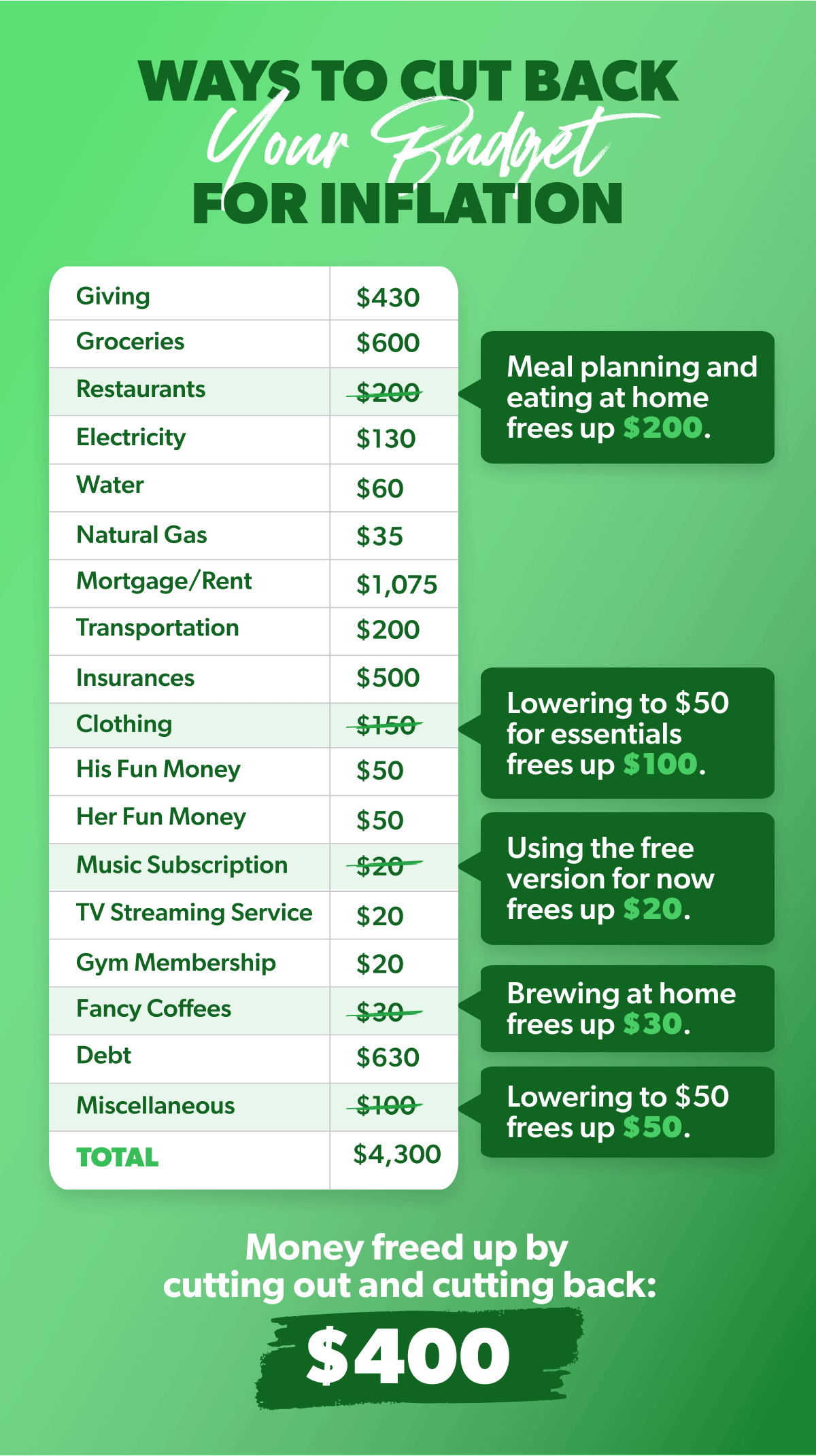
Suppose a household allocates $100 monthly toward insurance, $50 toward registration and $75 toward a planned appliance replacement. The combined contribution is $225. The spreadsheet should retain separate balances even if the money sits in one account.
A total balance of $900 does not mean all $900 is available for any one purchase. Labels help show how much has already been reserved for each purpose. Avoid counting the same dollars against two different goals.
Make the schedule realistic
- Use actual expected costs rather than round-number guesses where possible.
- Check the contribution against the rest of the monthly budget.
- Time transfers after income is available.
- Review estimates when bills or target dates change.
- Reduce the reserved balance when a planned bill is paid.
If the required contribution is unaffordable, change the planned purchase, timeline or another budget item explicitly. A spreadsheet entry cannot create cash that is not available.
The purpose is to make predictable costs visible before they arrive. That leaves a separate emergency reserve to address genuinely unplanned events rather than repeatedly absorbing the same annual bills.
Source
CFPB: Making Savings Automatic.
Featured image: Konstantin Evdokimov / Unsplash.