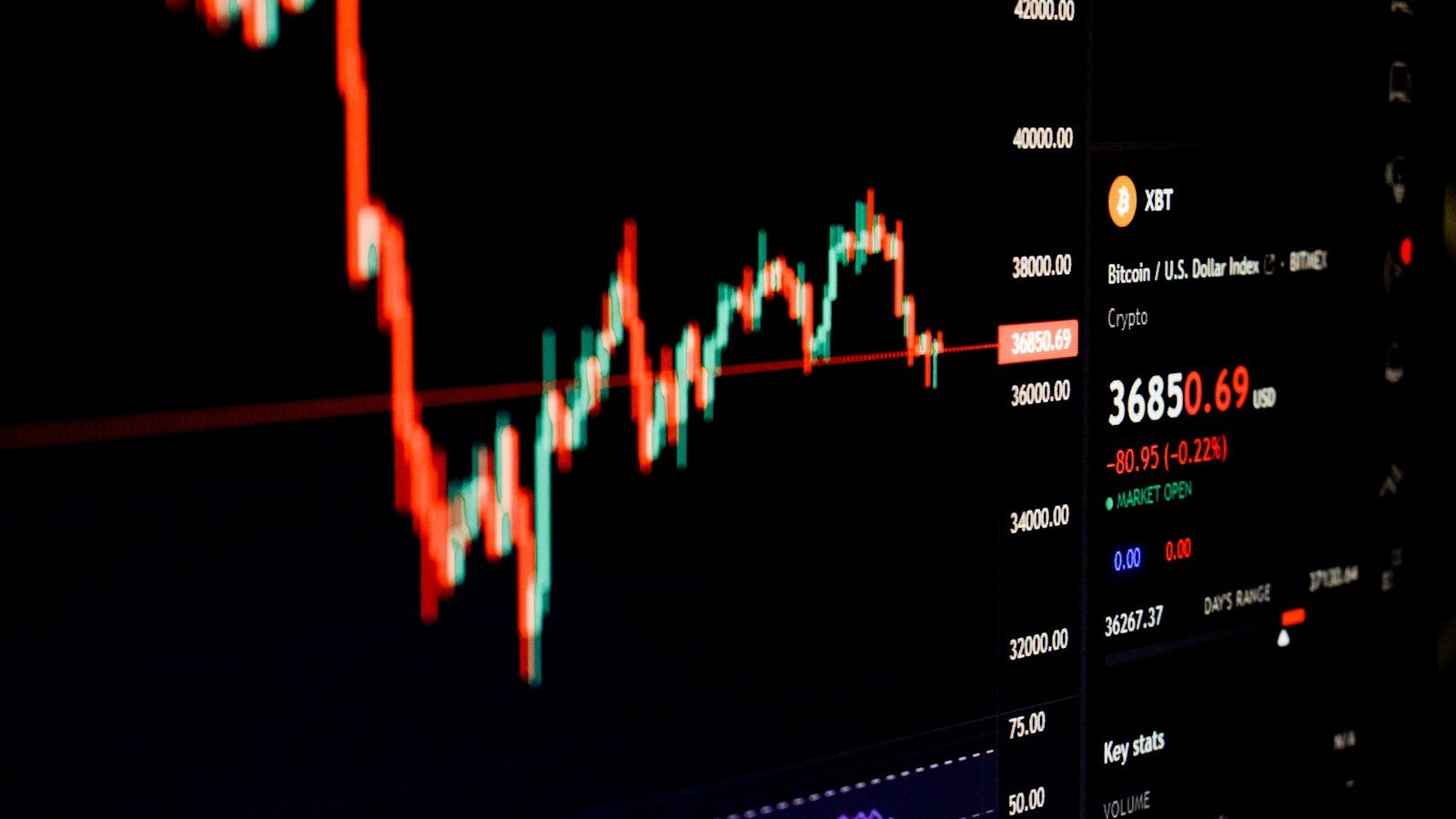
A stock jumps after an announcement, and a screen displays an exciting new price. Before treating that quote as the price for an entire position, check what it represents. A last trade is a completed transaction, not a guarantee for the next one.
What changes outside the main session
The SEC’s extended-hours bulletin highlights risks including lower liquidity, larger quote spreads, greater price volatility and prices that differ across trading systems. An extended-hours price may also differ from the next regular-session price.
Broker policies matter: eligible sessions, routing, supported orders and quote availability can vary. Confirm those details with the firm rather than assuming that daytime instructions operate identically.
A hypothetical headline price
Suppose a stock’s last extended-hours trade was $52, but the current displayed bid is $50.50 and ask is $53. The last trade does not establish that a buyer will pay $52 for the shares you want to sell.
For 100 shares, a sale at $50.50 would return $5,050 before costs, compared with $5,200 at $52. The $150 difference illustrates the importance of the executable market rather than a single historical print.
Quantity belongs beside price
A displayed offer for a small quantity is also not a promise that a much larger order can transact entirely at that level. Record the available size and timestamp along with the quote.
If reviewing an overnight reaction, keep the last trade, bid, ask and next-session opening price in separate fields. Combining them under one “price” label conceals the very differences being investigated.
Questions before entering an order
- Which session and venue does the quote describe?
- How recent is it?
- What are the current bid, ask and quantities?
- Which instructions does the broker accept in this session?
- What happens to an unfilled order when the session ends?
A chart can show that someone traded at a level. It cannot guarantee your execution there. Analyze the order conditions and the available market before interpreting an extended-hours move as an immediately realizable gain.
Source
SEC Investor.gov: Extended-Hours Trading.
Featured image: Photo by lonely blue on Unsplash.