You have just received a bonus, an inheritance or the proceeds from a home sale, and you want to invest it. The question arrives almost immediately: should the money go in all at once, or should you spread it over several months? The debate between lump sum investing and dollar-cost averaging is one of the most common in personal finance, and the useful answer depends less on forecasting markets than on understanding yourself.
Defining the two approaches
Lump sum investing means putting the entire amount to work right away. Dollar-cost averaging, often shortened to DCA, means dividing the money into equal installments and investing one at a time on a fixed schedule, such as monthly.
Many people already practice DCA without naming it. If you contribute to a workplace retirement plan from each paycheck, you are investing a fixed amount at regular intervals. The debate is really about a windfall that you could invest immediately but might choose to stage.
The case for investing it all at once
Markets have tended to rise more often than they fall over long periods, though never in a straight line. If that tendency holds, money sitting in cash while waiting for its turn misses potential growth. A lump sum begins working immediately and, over many past periods, has often come out ahead of staged investing for that reason.
This is not a promise. In any specific stretch, the market may drop right after you invest, in which case the lump sum looks worse than patience would have. The case for lump sum is about odds across many scenarios, not certainty in yours.
The case for spreading it out
DCA reduces one specific risk: the risk of investing everything just before a decline. Because your money enters at different prices, no single day determines your outcome. If prices fall during the schedule, later installments buy more shares. If prices rise, early installments benefit while later ones cost more.
The larger benefit is behavioral. For many people, watching a large sum fall soon after investing is painful enough to trigger panic selling, which can turn a temporary decline into a permanent loss. A plan that lowers that risk of regret may help you stay invested, and staying invested is often what matters most.
A simple illustration
Suppose you plan to invest 12,000 dollars. A lump sum buys at one price today. A DCA plan invests 1,000 dollars each month for twelve months. These numbers are hypothetical and chosen only for easy math.
If prices climb steadily, the lump sum wins because more of your money was exposed earlier. If prices drop for several months and then recover, DCA may win because it bought more shares at lower prices. If prices drift sideways, the difference may be small. You cannot know in advance which path you will get, and that is the point: the decision is about managing uncertainty and your own reaction to it.
Questions that decide the choice
- How would you feel after a quick drop? If a sharp early loss would tempt you to sell, a staged approach may protect you from yourself.
- How long is your horizon? Longer horizons give more time to recover from poor timing, which strengthens the case for investing at once.
- Is this a large share of your net worth? The bigger the sum relative to your wealth, the more a staged plan may appeal.
- Do you have an emergency fund? Cover near-term needs before investing either way, so you are never forced to sell at a bad moment.
Middle paths
You do not have to choose an extreme. Some investors put half in immediately and stage the rest over a few months. Others shorten the DCA window to three or six months rather than a year, limiting the time money sits idle. These compromises acknowledge both the mathematical edge of early investing and the emotional value of easing in.
Whatever you pick, decide the schedule in advance and automate it. A plan that depends on your mood each month invites second-guessing. Automation removes the temptation to pause installments when headlines turn gloomy, which is often the very moment those purchases are most useful.
Don’t forget costs and cash
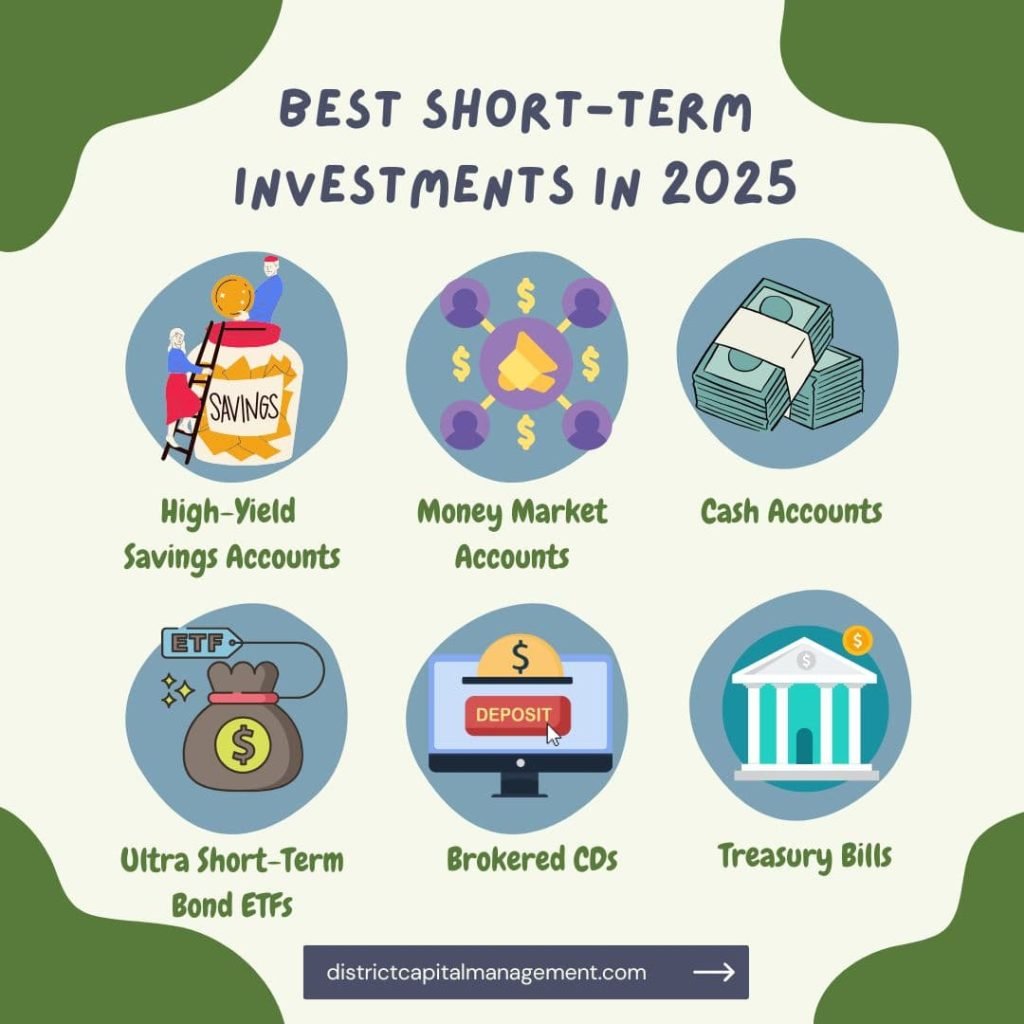
Check whether your brokerage charges fees per transaction, since frequent small purchases could add costs for some accounts. Also decide where the uninvested portion waits. A high-yield savings account or money market option can earn interest while you stage, reducing the cost of delay, though rates change and are not guaranteed.
The takeaway
Lump sum investing has the stronger track record on average because markets have spent more time rising than falling, while dollar-cost averaging offers protection against bad timing and a smoother emotional ride. The better choice is the one you can stick with through a downturn. Match the method to your horizon, your tolerance for regret and the size of the sum, automate it, and then let time do the work. This article is educational and is not personalized financial advice.